OMOWUMI ISAAC: THE FINANCIAL DISCIPLINE BEHIND ONDO’S NEW DEVELOPMENT STORY — DG OPOMULERO
The emerging development story in Ondo State under the administration of Governor Lucky Orimisan Aiyedatiwa is increasingly becoming a story of responsible governance, financial discipline and deliberate investment in the people.
At the centre of this emerging narrative is a principle that should guide every responsible government:
ONDO’S MONEY MUST WORK FOR ONDO PEOPLE.
Public resources are not meant to be consumed without corresponding value. They must be deployed responsibly, strategically and transparently to address the needs of the people and build a stronger future for the state.
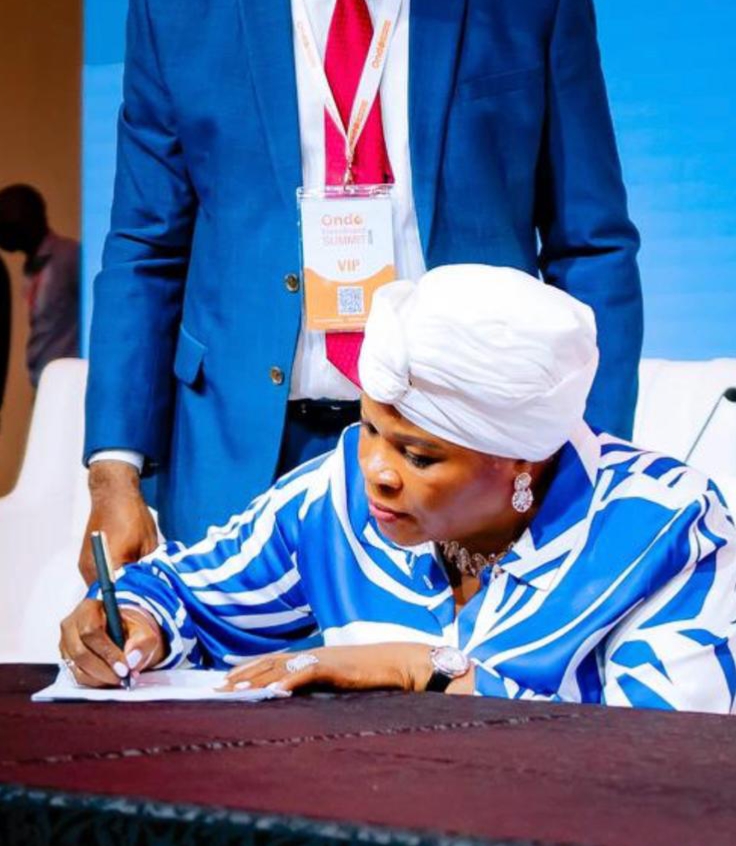
This is where the role of the Commissioner for Finance, Mrs. Omowumi Isaac, becomes particularly significant.
The Governor provides the political leadership and direction, while the Finance Commissioner carries the professional responsibility of ensuring that the administration’s priorities are supported by sound financial planning, prudent resource allocation and disciplined financial management.
The era of financial wastefulness must give way to a culture where every naira is expected to deliver measurable value to the people.
FINANCIAL DISCIPLINE IS NOW CENTRAL TO GOVERNANCE
Government does not develop a state with slogans.
Every salary paid, gratuity settled, teacher recruited, healthcare worker employed, security intervention funded and infrastructure project executed carries a financial obligation.
The real challenge of governance is therefore the ability to make difficult choices about how limited resources are allocated among competing demands.
This makes the Ministry of Finance one of the most strategic arms of government.
Mrs. Omowumi Isaac is operating at the centre of this responsibility, where pensions, salaries, education, healthcare, security, infrastructure, institutional subventions and inherited obligations all compete for government attention.
That responsibility demands competence, experience, discipline and careful prioritisation.
INHERITED OBLIGATIONS ARE BEING ADDRESSED
One of the clearest indications of financial commitment under the Aiyedatiwa administration is the attention given to outstanding retirement gratuities.
The administration has made payments towards accumulated gratuity obligations covering several years, including obligations dating from 2012 to 2021.
For pensioners who waited for years, these payments are not merely accounting figures.
They represent dignity restored, financial relief and the fulfilment of legitimate expectations.
The administration has also continued efforts to address inherited salary obligations and other outstanding commitments while simultaneously financing new development initiatives.
That is precisely where financial discipline becomes important: government must meet existing obligations without abandoning the future.
EDUCATION: INVESTING IN THE FUTURE
Financial discipline does not mean refusing to spend.
It means spending wisely.
The Aiyedatiwa administration has demonstrated this through investments in education, including the recruitment of more than 2,000 teachers and increased support for educational institutions.
The recent 60 percent increase in monthly subventions to state-owned tertiary institutions, alongside approval for the implementation of relevant Federal Government/union agreements, further demonstrates a deliberate commitment to sustaining the education sector.
These are financial decisions with long-term consequences.
Every naira committed to education is an investment in the human capital that will determine Ondo State’s future.
HEALTHCARE AND EMPLOYMENT
The health sector has also received significant attention, with more than 3,000 employment opportunities created alongside other interventions designed to strengthen healthcare delivery.
But employment is not merely about announcing recruitment.
Every worker employed becomes a continuing financial responsibility for government through salaries, allowances, operational support and institutional funding.
Therefore, the ability of government to sustain these interventions depends heavily on sound financial planning.
This is why financial management cannot be separated from development.
RUFUS GIWA: FINANCIAL SUPPORT WITH PURPOSE
The intervention at Rufus Giwa Polytechnic, Owo, provides another example of how financial decisions can influence the stability of public institutions.
The institution has faced financial challenges and outstanding obligations.
Improved government support and increased subvention provide greater capacity to meet institutional responsibilities, improve operations and create a more stable environment for teaching and learning.
This is the essence of responsible public spending: resources should not merely be released; they should be directed towards solving identifiable problems.
SECURITY REQUIRES FINANCIAL COMMITMENT
Security is another area where policy must be backed by resources.
The strengthening of Amotekun through additional personnel, vehicles and operational support reflects the reality that security cannot be sustained by political statements alone.
Personnel require logistics.
Vehicles require maintenance.
Operations require funding.
Consequently, the government’s security strategy also carries a significant financial component.
INFRASTRUCTURE: WHEN RESOURCES MEET POLITICAL WILL
Across Ondo State, infrastructure development is equally receiving attention.
Major projects, including the Oba Adesida flyover in Akure, demonstrate the administration’s infrastructure ambitions.
Projects of this magnitude require substantial financial commitments.
The real test of governance is whether government can pursue major infrastructure while simultaneously meeting obligations relating to pensions, salaries, education, healthcare and security.
That is why the financial architecture supporting these programmes deserves serious attention.
WHY OMOWUMI ISAAC MATTERS
Criticism of public officials is legitimate in a democracy.
But criticism should also recognise the complexity and responsibility of the office being occupied.
Mrs. Omowumi Isaac is not managing an isolated portfolio.
She is responsible for one of the most demanding financial offices in the Ondo State Government, where competing priorities must constantly be assessed against available resources.
Her professional training and academic exposure are relevant to this responsibility.
The Finance Commissioner must help ensure that government priorities are financially achievable, that obligations are properly considered and that scarce resources are allocated according to clearly defined priorities.
Financial management is not a popularity contest.
It is a technical responsibility.
The central question should therefore be:
ARE ONDO STATE’S RESOURCES BEING DEPLOYED TOWARDS THE PRIORITIES OF THE PEOPLE?
The answer should be determined by the record.
AIYEDATIWA PROVIDES THE POLITICAL LEADERSHIP
It is also important to put the relationship between political leadership and financial management in proper perspective.
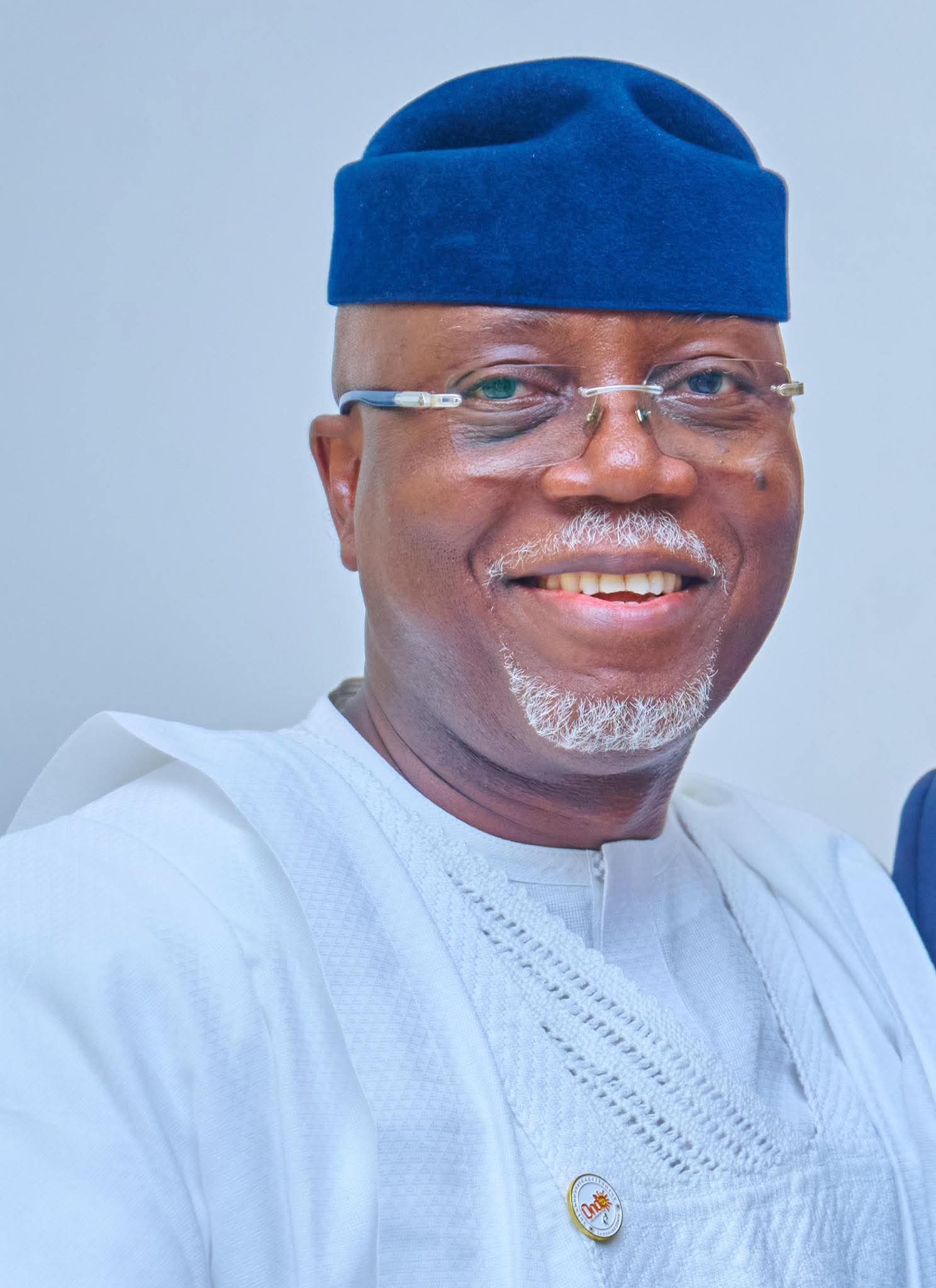
Governor Lucky Orimisan Aiyedatiwa remains the political head of the administration.
He provides the direction, sets priorities and supplies the political will for implementation.
Mrs. Omowumi Isaac, within her portfolio, provides professional financial stewardship to support those priorities.
THE GOVERNOR PROVIDES THE VISION.
THE FINANCE COMMISSIONER HELPS PROVIDE THE FINANCIAL ARCHITECTURE TO IMPLEMENT THAT VISION.
Ultimately, it is the performance of the entire administration that should be judged.
THE RECORD IS SPEAKING
The people of Ondo State should look beyond political noise and examine how public resources are being deployed.
INHERITED GRATUITY OBLIGATIONS ARE BEING ADDRESSED.
SALARY OBLIGATIONS ARE BEING SETTLED.
OVER 2,000 TEACHERS HAVE BEEN RECRUITED.
OVER 3,000 HEALTH-SECTOR EMPLOYMENT OPPORTUNITIES HAVE BEEN CREATED.
TERTIARY INSTITUTION SUBVENTIONS HAVE BEEN INCREASED BY 60 PERCENT.
AMOTEKUN IS RECEIVING ADDITIONAL SUPPORT.
CIVIL SERVANTS ARE RECEIVING PROMOTIONS AND ENTITLEMENTS.
INFRASTRUCTURE PROJECTS ARE BEING EXECUTED AND COMMISSIONED.
Behind every one of these interventions is a financial decision.
And behind those financial decisions is a government making choices about how best to deploy limited resources for maximum public benefit.
That is why the contribution of the Ministry of Finance and Mrs. Omowumi Isaac deserves serious attention.
The message should be clear:
ONDO’S MONEY MUST DEVELOP ONDO.
ONDO’S RESOURCES MUST WORK FOR ONDO PEOPLE.
FINANCIAL DISCIPLINE MUST REPLACE WASTEFULNESS.
The people of Ondo State should ultimately judge the administration not by political propaganda or manufactured controversy, but by the obligations settled, projects delivered, institutions strengthened, opportunities created and lives improved.
The era of financial wastefulness must give way to an era where every public naira is expected to contribute meaningfully to the development of Ondo State.