There are government projects that solve immediate problems, and there are projects that redefine the future of a city. The 2.38-kilometre Adegbola–Oba Adesida–Alagbaka flyover belongs firmly in the second category.
The official flag-off of the project by Governor Lucky Orimisan Aiyedatiwa on Monday, August 24, 2026, is another clear indication that the Governor understands the challenges confronting Akure and is prepared to make decisions that will outlive his administration.
As DG Opomulero, I see this project not merely as another political achievement, but as a bold investment in the future of Akure.
For years, residents have endured congestion along the Oyemekun–Oba Adesida corridor. The consequences are real: lost productive hours, increased fuel consumption, delayed businesses, stressed commuters and difficult movement for families, students and emergency services.
Now, the Aiyedatiwa administration is confronting that challenge with a permanent infrastructure solution.
The Commissioner for Infrastructure, Lands and Housing, Engr. Abiola Olawoye, explained that the road is currently operating at about 50 per cent above its original design capacity. That statistic alone demonstrates why a major intervention has become necessary.
Akure has grown tremendously since the road was constructed in the 1970s. Population has increased, commercial activity has expanded and vehicular movement has multiplied. Infrastructure must therefore grow alongside the city.
This is where Governor Aiyedatiwa deserves commendation.
Rather than continue with temporary traffic management measures, his administration examined the available options and settled on a flyover that can improve traffic flow while avoiding the extensive demolition that conventional expansion could require.
The significance of this project goes beyond the structure itself.
A flyover that reduces congestion means workers spend less time on the road. Traders can move goods more efficiently. Businesses can receive customers more easily. Commercial drivers can complete more trips. Students can get to school faster, and families can spend less time trapped in traffic.
That is why infrastructure is not simply about concrete and steel. Infrastructure is economic policy.
When movement improves, productivity improves. When connectivity improves, commerce improves. When a city becomes easier to navigate, investment becomes more attractive.
This is why the Adegbola–Oba Adesida–Alagbaka flyover must be viewed within the broader infrastructure agenda of the Aiyedatiwa administration.
The administration has undertaken and completed road interventions across Akure and other parts of Ondo State, while several major projects are ongoing across the Central Senatorial District and beyond.
The emerging pattern is clear: the Governor is not treating infrastructure as isolated projects. He is developing a network of roads and strategic interventions designed to connect communities, improve mobility and create an environment where economic activity can thrive.
I am particularly encouraged by the support expressed by traditional rulers and community stakeholders.
The Deji of Akure, Oba Aladetoyinbo Ogunlade Aladelusi, has commended the project and the reconstruction of adjoining roads. The Secretary to the State Government, Dr. Taiwo Fasoranti, also expressed the appreciation of Akure residents for the infrastructure interventions taking place across the city and the state.
That support matters because development is most meaningful when it responds directly to the needs of the people.
The contractor, Bulletin Construction Company, has equally given assurances of quality and timely delivery. Its Managing Director, Chief Faysal Harb, promised that the company would work day and night to deliver the project and minimise disruption during construction.
For Governor Aiyedatiwa, however, the real test begins after the flag-off.
The people of Ondo State are no longer interested in ceremonies alone. They want projects completed. They want value for public money. They want infrastructure that works.
And this is where the Governor’s record must continue to speak.
The Aiyedatiwa administration has demonstrated a willingness to invest in projects that address long-standing challenges. The flyover now provides another opportunity to demonstrate that commitment through successful completion and delivery.
As DG Opomulero, I believe this project represents something bigger than the politics of today.
Political arguments will come and go. Governments will change. Political actors will move on. But infrastructure properly conceived and constructed can serve generations.
Years from now, residents may not remember every speech made at the flag-off ceremony, but they will remember the bridge that saved them hours every week.
They will remember the road that made their businesses easier to access.
They will remember the infrastructure that made movement around Akure more efficient.
That is what legacy means.
Governor Aiyedatiwa is not simply building a flyover; he is building a bridge between the Akure of today and the Akure of tomorrow.
Those who reduce this project to politics are missing the larger picture. Governance must ultimately be judged by its impact on human lives.
The question is simple: Will this project make life easier for the people?
If the answer is yes, then it deserves support.
The Adegbola–Oba Adesida–Alagbaka flyover is a response to a growing city, a solution to a daily challenge and an investment in Akure’s economic future.
Governor Aiyedatiwa deserves commendation for having the courage to confront a problem that previous administrations could not permanently resolve.
The project must now be delivered to specification, within the agreed timeline and with the quality that Ondo people deserve.
When that happens, the flyover will stand not merely as a monument to one administration, but as a lasting piece of infrastructure for the people of Akure.
Aiyedatiwa’s legacy is no longer only being discussed. It is being constructed.
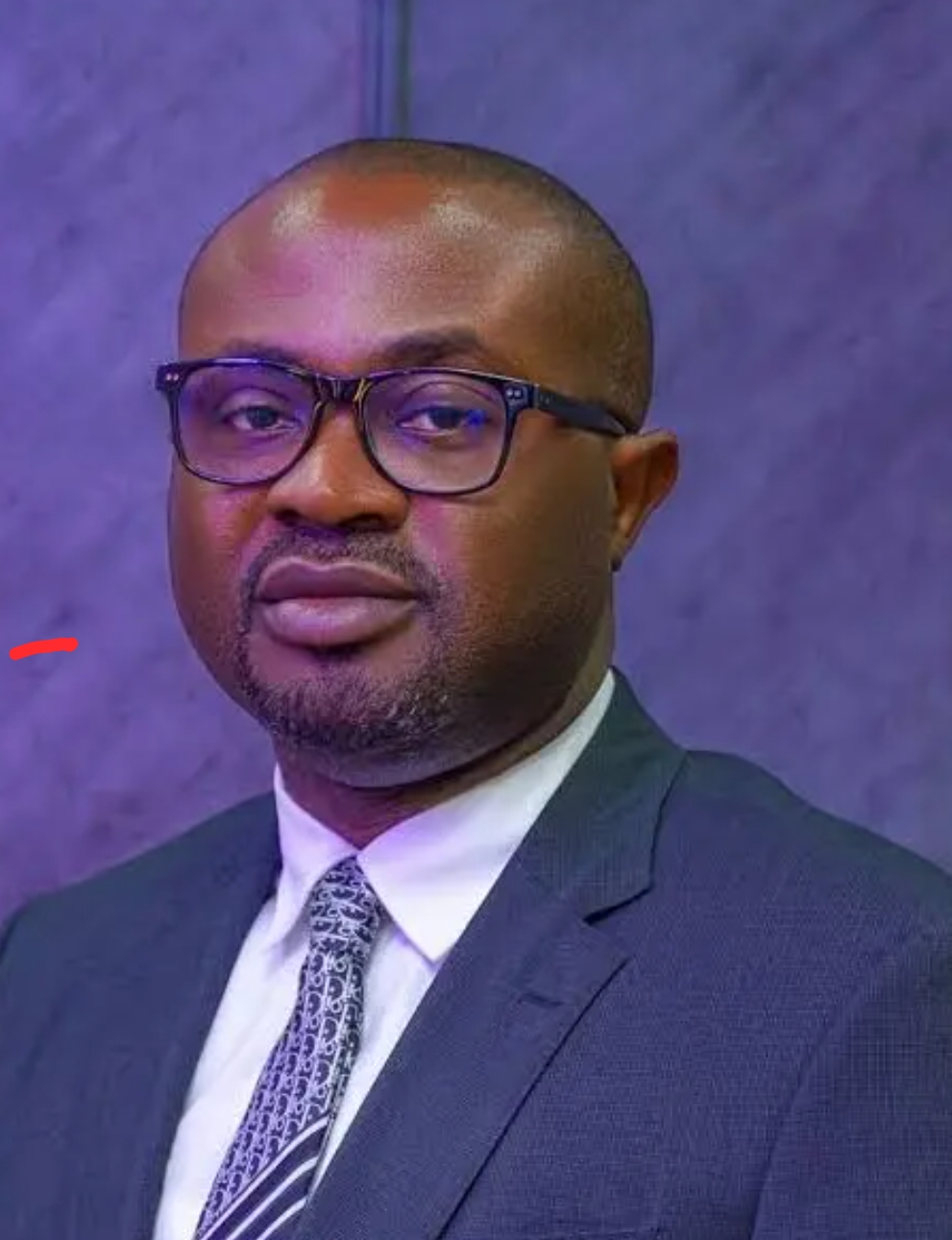
— Hon. Olasupo Olakunori Michael (DG Opomulero)